
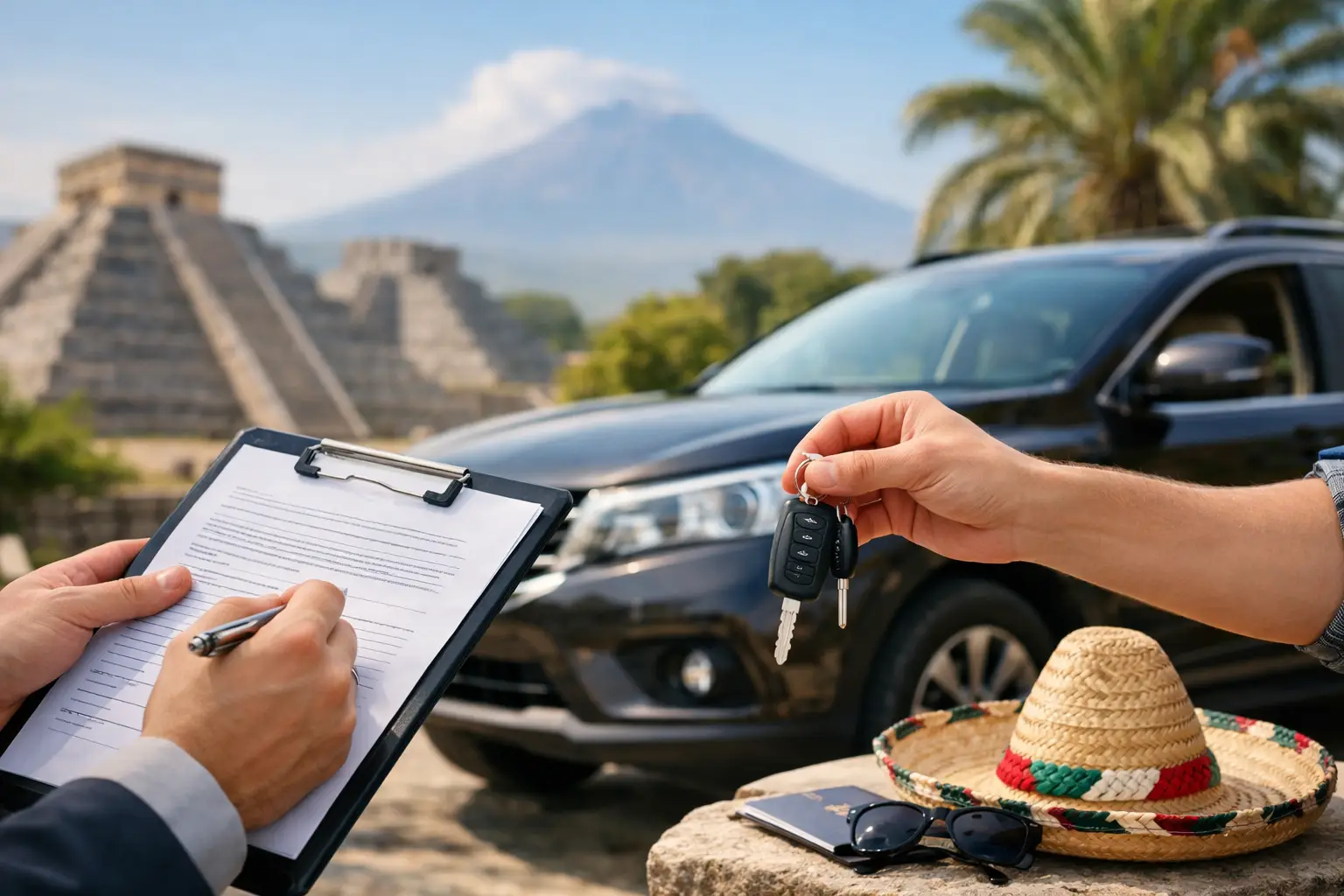
If you’re driving into Mexico with US or Canadian plates, or buying a vehicle after you move, the question is not whether you need coverage. It’s how to insure a car in Mexico correctly so you are legal on the road and protected when a claim gets complicated.
Many expats assume their US or Canadian auto policy will follow them south. In most cases, it will not satisfy Mexican legal requirements for liability, and that is the part that matters first. If you are involved in an accident in Mexico, local liability coverage issued by a Mexico-authorized insurer is what responds to the legal and financial reality on the ground.
How to insure a car in Mexico without gaps
The first step is to match the policy to the vehicle’s plate status and how you use the car. A vehicle with US or Canadian plates usually needs a policy designed for foreign-plated vehicles in Mexico. A vehicle registered in Mexico needs a Mexican-plated auto policy. That sounds simple, but this is where people often buy the wrong thing.
Some drivers purchase a basic tourist-style policy because it is fast and cheap, then later discover it does not fit long stays, frequent travel, or the actual value of the vehicle. Others buy based only on liability minimums and overlook legal assistance, roadside help, medical payments, theft, or physical damage. In Mexico, the right policy is less about checking a box and more about making sure the contract fits your real use.
If you live in places like Lake Chapala, Puerto Vallarta, Los Cabos, Cancun, or Playa del Carmen, you may also be using your car differently than a short-term visitor. Full-time residents, snowbirds, second-home owners, and long-stay travelers tend to need broader protection because they are on Mexican roads more often and for longer periods.
Start with what Mexican law actually requires
Mexico requires liability coverage from a Mexican insurer for driving on federal roads, and in practical terms, local liability coverage is the standard you should treat as essential wherever you drive. If you cause injury or property damage, a claim in Mexico can involve police, adjusters, legal representation, and immediate financial guarantees. A valid Mexican liability policy is what helps you navigate that process.
This is why the cheapest policy is not always the least expensive choice. Low limits can leave you exposed in a serious accident, especially if multiple people are injured or there is significant property damage. Higher liability limits usually make sense for expats who drive regularly, carry passengers, or own a higher-value vehicle.
Legal assistance is another part of the policy that deserves attention. In Mexico, legal support after an accident is not an optional extra in the way some drivers think of it back home. It can be central to resolving the situation quickly and correctly.
Liability is mandatory, but not enough for every driver
A liability-only policy may be appropriate for an older vehicle that you could afford to replace yourself. But if your car has meaningful value, or you would have trouble absorbing a theft or major collision loss out of pocket, you should look at physical damage and total theft coverage as well.
That is especially true in areas where repair logistics can already be frustrating. Cross-border parts delays, valuation differences, and repair shop availability can turn a manageable claim into a costly problem if the policy was chosen too narrowly.
Choose coverage based on the vehicle and your residency situation
When people ask how to insure a car in Mexico, they are often really asking which policy type they qualify for. The answer depends on a few details: whether the car has Mexican plates or foreign plates, whether you are a tourist or resident, how long the vehicle stays in Mexico, and whether the vehicle was legally imported or temporarily imported when required.
Foreign-plated vehicles typically need a policy built for US or Canadian plated cars being driven in Mexico. Mexican-plated vehicles need a domestic Mexican auto policy. If you recently purchased a car in Mexico, make sure registration and ownership documents are in order before binding coverage. If the paperwork does not match the driver or owner correctly, claims can become harder than they need to be.
For expats, this is one of the biggest reasons to work with a broker who understands both the insurance side and the cross-border eligibility side. The right coverage is not just about the premium. It is about whether the insurer will accept the risk as presented and whether the policy will respond as expected when a loss happens.
What to look for in a Mexico auto policy
A good Mexico auto policy usually starts with liability, legal assistance, and medical payments, then expands from there based on the vehicle and budget. If the car is worth protecting, physical damage and theft should be part of the discussion. Roadside assistance, labor, towing, windshield protection, and bail bond support may also be worthwhile depending on the carrier and plan.
The best choice depends on how you use the car. A retired couple making local runs around Ajijic has a different risk profile than a family driving between Baja and the mainland, or a seasonal resident flying in and out several times a year. A daily driver should generally be insured differently than a car that sits at a second home most of the time.
Deductibles matter too. A lower premium with a very high deductible may look good until you have a partial damage claim. Agreed value versus actual cash value also deserves a close look, especially for foreign-plated vehicles where replacement and valuation can be less straightforward.
Don’t overlook claims handling
A policy is only as useful as the claims support behind it. In Mexico, speed matters after an accident. You want an insurer with a claims process that is accessible, clear, and built for local response. If you do not speak Spanish comfortably, it also helps to have guidance from someone who can explain coverage before the claim, not just after it.
That is where a specialized brokerage can make a real difference. Launa Brockman Expat Insurance works with expats who need Mexican auto coverage that matches their plate type, travel pattern, and residency reality, rather than forcing a one-size-fits-all option.
Common mistakes expats make when insuring a car in Mexico
The most common mistake is assuming existing US or Canadian insurance is enough. Another is buying only on price without checking eligibility, exclusions, territorial limits, or claims support. People also get into trouble when they insure the wrong plate type, fail to disclose how long the vehicle stays in Mexico, or misunderstand whether physical damage is included.
There is also a practical issue many buyers miss: not every policy is meant for every use case. Some are better suited to short-term travel, while others are a better fit for regular use by residents or long-stay drivers. If you split time between countries, that detail matters. So does whether multiple drivers need to be listed and whether your spouse, adult child, or visiting family member will be behind the wheel.
The fastest way to get the right policy
If you want to move quickly, gather the basics before requesting a quote: year, make, model, VIN, plate type, current location of the vehicle, how long it will be in Mexico, and who will drive it. If the car is Mexican plated, have registration details ready. If it is foreign plated, be prepared to confirm legal import or temporary import status if applicable.
From there, compare more than the premium. Check liability limits, deductibles, legal assistance, medical payments, theft, collision or physical damage, and how claims are handled. If anything about your status or vehicle is unusual, ask before you bind coverage. That short conversation can prevent the kind of mismatch that only shows up during a claim.
For most expats, the best path is simple: get a quote built around your actual situation, not a generic online shortcut. The right Mexico auto policy should make you legal to drive, practical to protect, and easier to help when something goes wrong. That peace of mind is worth getting right before you turn the key.