
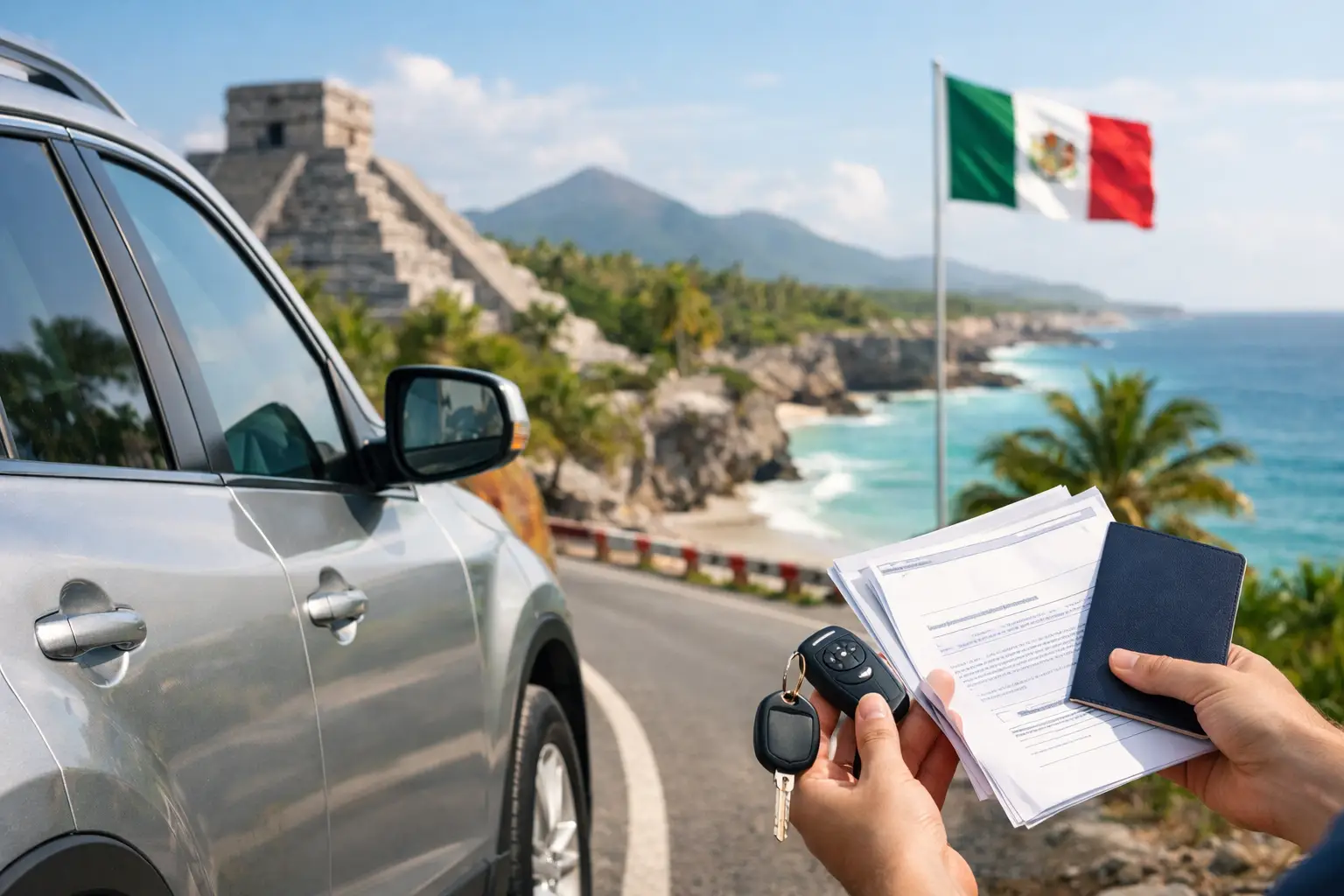
A drive from Puerto Vallarta to Guadalajara or from Lake Chapala to the border is not the time to find out that your U.S. policy stops at Mexico. The best Mexican car insurance providers for expats are not simply the ones with the lowest premium. They are the carriers and policies that can legally insure your vehicle, meet the liability requirements where you drive, and provide workable assistance after an accident.
For American and Canadian residents in Mexico, vehicle insurance has a few extra moving parts. Your license plate country, residency status, how long the vehicle remains in Mexico, and whether you use it personally or commercially can all affect which policy is available. A good comparison starts with those details, not a price alone.
What Makes a Mexican Auto Insurer a Good Fit?
Mexican auto insurance is issued by Mexican insurers and governed under Mexican law. A policy from the U.S. or Canada may offer limited Mexico coverage, but it often has geographic, duration, liability-limit, or claims-handling restrictions. In many cases, it is not enough for a long-stay expat, a Mexican-plated vehicle, or a serious accident.
The right provider should offer more than the minimum required liability coverage. Liability is essential because Mexican authorities may require proof of financial responsibility after an accident. But liability alone does not pay to repair your own vehicle, replace a total loss, arrange roadside help, or cover medical expenses for passengers.
For most expats, a strong policy combines third-party liability with physical damage, theft, legal assistance, medical expenses, and roadside assistance. The best mix depends on the vehicle, where it is garaged, and how you travel. A newer SUV used for frequent highway trips needs a different approach than an older Mexican-plated sedan used for errands in town.
Best Mexican Car Insurance Providers: Carriers to Compare
There is no single best carrier for every driver. Mexico has several established insurers that serve private passenger vehicles, and availability can change based on vehicle age, value, plate type, location, and coverage selection. For expats, the most useful comparison often includes AXA, GNP, HDI, Mapfre, Pan American Mexico, and Seguros Atlas.
AXA Mexico
AXA is a familiar name to many international residents and offers Mexican auto coverage for eligible vehicles. It can be a practical option for drivers seeking broad private-passenger protection from a major insurer. As with any carrier, confirm the actual policy terms for towing, repairs, deductibles, legal aid, and the territory where the vehicle will be driven.
GNP Seguros
GNP is one of Mexico’s long-established insurance companies and is frequently considered by owners of Mexican-plated vehicles. Its policy options can suit drivers who want comprehensive protection and access to a large domestic insurer. The specific coverage package matters: higher liability limits, roadside benefits, and glass coverage may not be identical across plans.
HDI Seguros
HDI is another important option in the Mexican auto market. Depending on the vehicle and underwriting details, it may be competitive for comprehensive coverage. A quote should be reviewed for the agreed value or market-value basis used for physical damage, particularly when insuring a vehicle whose replacement value may be difficult to estimate.
Mapfre Mexico
Mapfre has an international presence and a Mexican operation that can be relevant for expat drivers. It is worth comparing when you want a recognized carrier and a policy designed for use within Mexico. Eligibility and benefits vary, so foreign-plated vehicle owners should verify that the vehicle is acceptable before assuming a standard quote applies.
Pan American Mexico and Seguros Atlas
Pan American Mexico and Seguros Atlas can also be appropriate options, especially where a broker can match a particular vehicle profile with available underwriting. These carriers may be part of a useful quote comparison for Mexican-plated vehicles, drivers in established expat communities, or situations where another carrier has restrictions.
The practical point is not to choose a carrier based on name recognition alone. Compare the actual policy wording, deductible, insured value, exclusions, and assistance process. The least expensive quote can become costly if it leaves out a benefit you need after a collision or theft.
Foreign Plates and Mexican Plates Are Different Situations
Many expats begin with a U.S. or Canadian-plated vehicle. Mexican insurance may be available for eligible foreign-plated vehicles, but the insurer will usually need accurate information about the vehicle and its legal status in Mexico. A temporary import permit, where applicable, should match the vehicle and owner details provided for insurance.
If you own a Mexican-plated car, you generally need a policy written for a Mexican-registered vehicle. Do not assume that a short-term tourist policy intended for a foreign-plated vehicle will work after you purchase or register a vehicle in Mexico.
Residency can also matter. A person who becomes a temporary or permanent resident may face different vehicle-import considerations than a tourist. Insurance does not solve an importation or registration issue, but it should be aligned with the vehicle’s legal documentation. This is one reason an expat-focused advisor should ask questions before issuing coverage.
Coverage Features Worth Comparing
When reviewing quotes, start with liability limits. Mexico’s legal minimum requirements vary by state, and minimum limits may be far below what a major injury claim could cost. Higher third-party liability limits are often a sensible choice for people who drive regularly, carry passengers, or travel on busy highways.
Then look at physical damage and total theft. Check whether the policy uses agreed value, invoice value, or market value, and understand the deductible for collision and theft. An agreed-value approach can be particularly useful when a vehicle’s value is not easily reflected in the local market, but it is subject to carrier rules and underwriting.
Legal assistance deserves close attention. After an accident in Mexico, you may need an adjuster, attorney support, bail-bond assistance, or help communicating with local authorities. A policy that includes legal defense and 24-hour claims support can be more valuable than a small premium savings.
Roadside assistance is another area where details matter. Ask about towing distance, locksmith service, tire changes, battery service, fuel delivery, and whether assistance is available throughout the areas where you actually travel. If you routinely drive between coastal towns, inland cities, and border crossings, statewide or nationwide service may be more meaningful than a basic local benefit.
Finally, consider medical expenses for occupants. This coverage can help after an accident, but it is not a replacement for your Mexican or international health insurance. Review the limit and whether the policy covers the driver and passengers under the circumstances you expect.
How to Request a Useful Quote
A complete quote is faster and more accurate when you have the vehicle year, make, model, VIN, plate country, registration information, and estimated value ready. You should also know where the vehicle is normally kept and whether it is used only personally. Rideshare, delivery, rental, business, or other commercial use may require a different policy entirely.
Tell the advisor about any unusual facts up front. Examples include a vehicle with modifications, a motorhome, a vehicle kept in Mexico year-round, frequent trips to the United States, or a driver who will not be the registered owner. These details can affect eligibility and prevent a surprise at claim time.
Launa Brockman Expat Insurance can compare eligible Mexican auto insurance options and help clarify whether coverage is appropriate for foreign or Mexican plates. For straightforward situations, quoting and issuance may be quick. For a high-value vehicle, residency question, unusual use, or a complicated vehicle history, taking a few extra minutes to review the details is the better route.
Questions Expats Should Ask Before Buying
Ask whether the policy is annual or short term, whether it covers all of Mexico, and what happens if you cross into the United States or Canada. Confirm who may drive the vehicle, whether there are age restrictions, and whether the insurer requires a valid Mexican or foreign driver’s license.
You should also ask how claims are reported, how quickly an adjuster is dispatched, and whether repairs must be completed at a designated shop. If you live in a smaller community or drive in remote areas, the provider’s claims network and roadside process deserve as much attention as the premium.
A Mexican car insurance policy should fit the way you actually live in Mexico, not the assumptions of a brief vacation. Get the vehicle details right, compare meaningful coverage, and choose a provider that can support you when the roadside call is no longer hypothetical.