
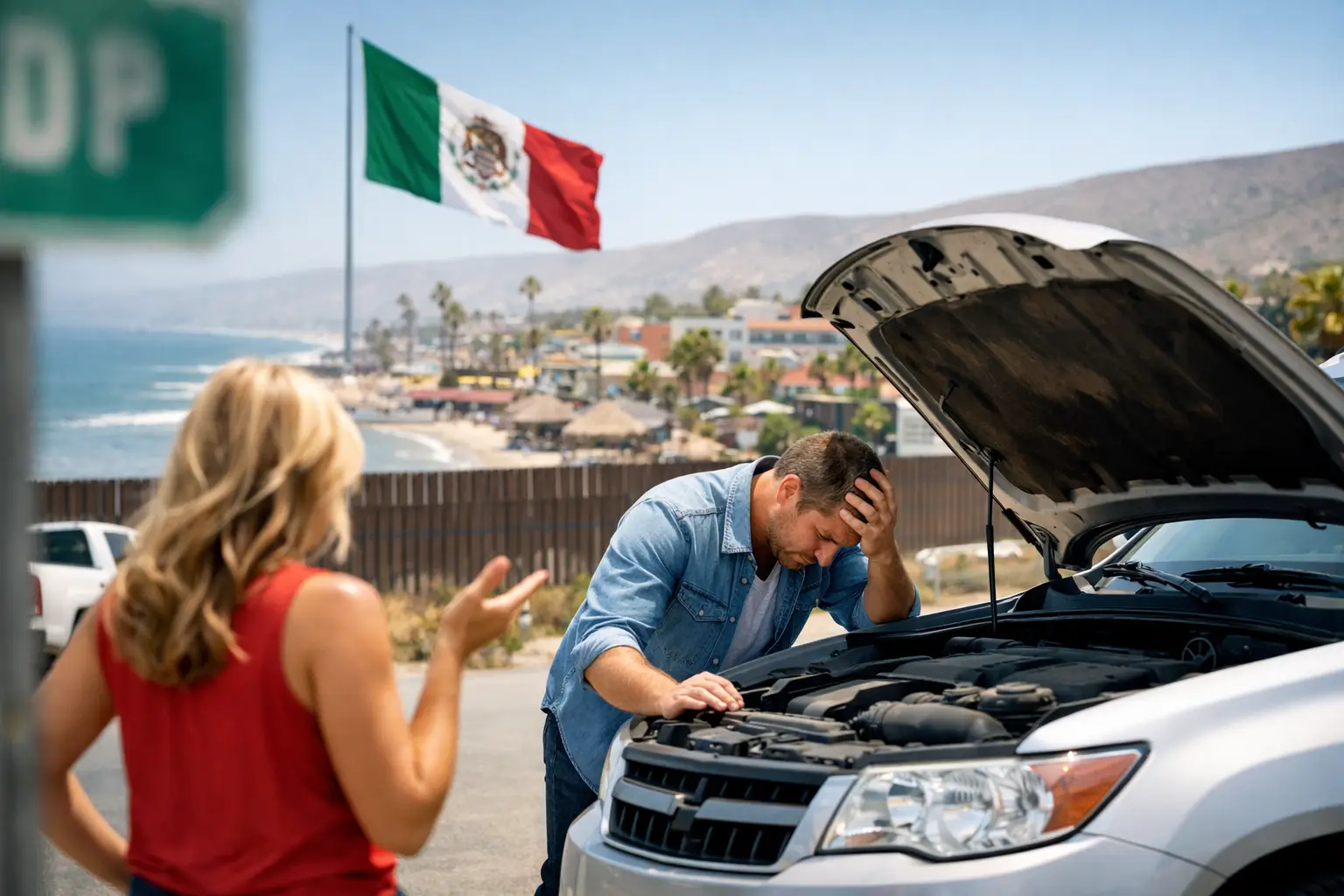
You usually find out you bought the wrong policy at the worst possible moment – after a crash, a burst pipe, a hospital admission, or a liability claim. That is why understanding the top mistakes buying Mexico insurance matters before you click buy, not after. For expats, snowbirds, retirees, and second-home owners, insurance in Mexico is not just a translated version of what you had in the U.S. or Canada. The rules, policy structures, and claim expectations can be very different.
The top mistakes buying Mexico insurance start with assumptions
The most common problem is assuming coverage works the same way everywhere. Many buyers compare only price because they think insurance is insurance. In Mexico, that shortcut can leave major gaps.
A cheap policy may technically meet a minimum requirement but still leave you exposed where it counts. With auto insurance, for example, legal liability handling matters. With home coverage, vacancy rules and catastrophe deductibles matter. With health insurance, network access, waiting periods, and geographic scope matter. The policy is only useful if it fits how you actually live in Mexico.
That means your insurance decision should start with your situation, not the premium. Are you a full-time resident, a seasonal visitor, or splitting time between countries? Is your car U.S. plated, Canadian plated, or Mexican plated? Do you need local-only health coverage or international coverage? Those details shape what works.
Mistake #1: Buying based on price alone
Price matters, but it should never be the first filter. A lower premium often reflects narrower benefits, higher deductibles, more exclusions, or weaker claims support. The issue is not that affordable insurance is bad. The issue is buying the lowest number on the screen without checking what was removed to get there.
This happens often with Mexico auto insurance. One policy may look similar to another until you see the limits, legal assistance terms, roadside benefits, medical payments, or physical damage conditions. The same is true for home and condo policies. Water damage, theft, earthquake, hurricane, contents, and liability may all be treated differently from one carrier to another.
If the policy is significantly cheaper, ask why. Sometimes the answer is perfectly reasonable. Sometimes it is the warning sign.
Mistake #2: Choosing the wrong policy for your residency and lifestyle
Mexico insurance is not one-size-fits-all. A retiree living year-round in Lake Chapala has different needs than a snowbird spending four months in Los Cabos. A family in Playa del Carmen with a financed Mexican-plated car has different requirements than a traveler driving down with a U.S.-plated SUV.
People get into trouble when they buy a policy designed for a different use case. They may choose travel medical when they really need long-term health insurance. They may buy a tourist auto policy without understanding how their vehicle status affects eligibility. They may insure a home as occasional-use property when it is actually rented out or occupied full time.
Insurers care about these distinctions because they affect risk. If the application does not match reality, a claim can become more difficult.
Mistake #3: Not reading exclusions, waiting periods, and deductibles
This is one of the top mistakes buying Mexico insurance because exclusions are where expectations and reality often separate. Buyers tend to skim declarations and ignore the policy language until something goes wrong.
With health insurance, pre-existing condition rules, waiting periods, co-pays, and territorial limits deserve close attention. Some plans are built for treatment in Mexico. Others offer broader international access. Some may exclude certain conditions for a period of time. If you want cross-border flexibility, make sure the plan actually provides it.
With property insurance, named storm deductibles, earthquake deductibles, vacancy clauses, and maintenance exclusions can materially affect a claim. A policy that covers a loss in principle may still require a larger out-of-pocket payment than you expected.
With auto insurance, off-road use, driver restrictions, alcohol-related exclusions, and valuation methods can all matter. If you never review these details, you are not really comparing policies.
Mistake #4: Assuming your U.S. or Canadian policy extends into Mexico
This assumption causes expensive surprises every year. In most cases, your home-country auto policy does not provide the liability coverage required for driving legally in Mexico. Even when there is limited extension for certain exposures, it is usually not a substitute for a proper Mexico policy.
The same mindset affects health and property decisions. Some people assume Medicare will handle them in Mexico. Others believe their North American homeowner policy covers a property they own south of the border. Those assumptions can create serious gaps.
Cross-border living needs cross-border planning. If you spend substantial time in Mexico, own property there, or drive there regularly, your coverage should be designed for that reality.
Mistake #5: Underinsuring liability
People focus on the car, the house, or the hospital bill and forget that liability may be the most financially disruptive exposure of all. If you injure someone in an auto accident, a guest is hurt at your property, or you are found legally responsible for damage, low liability limits can become a major problem quickly.
This is especially important for expats and second-home owners with assets in more than one country. A bargain policy with bare-minimum liability may save money upfront but create a much larger risk later.
The right amount depends on your personal risk profile, property setup, driving habits, and asset picture. There is no universal number. But too many buyers choose low limits simply because they were not asked to think about it.
Mistake #6: Failing to disclose how the property or vehicle is actually used
Insurance applications are not paperwork trivia. They are the basis on which the insurer accepts the risk. If your condo is rented on a short-term basis, say so. If your home sits vacant for part of the year, say so. If the vehicle is used differently than the policy contemplates, say so.
This does not mean every nonstandard situation is uninsurable. Many are insurable. It does mean the insurer needs accurate information to place the risk correctly.
For expats in Mexico, usage patterns are often more complex than they first appear. A property might be owner-occupied part of the year and rented the rest. A vehicle might cross borders seasonally. A health plan may need to coordinate with travel patterns and residency. Accuracy matters more than speed.
Mistake #7: Buying without claims support in mind
A policy is not just a PDF. It is a claims process, service structure, and response experience when something goes wrong. Buyers often overlook this because claims support is hard to evaluate until you need it.
That is why working with a specialized advisor matters, especially in Mexico. Language, local procedures, required documentation, and carrier differences can all affect the experience. The cheapest quote may not come with the guidance you want when a real loss occurs.
For many expats, the best value is not just the policy itself. It is having someone who understands Mexican insurers, international carriers, eligibility rules, and the practical realities of life between countries.
How to avoid the top mistakes buying Mexico insurance
Start by identifying the real exposure. Are you trying to insure a vehicle, a home, your health, your travel, or a combination of those? Then match the product to your legal status, time in Mexico, and property or vehicle details.
Next, compare more than premium. Review liability limits, deductibles, territorial coverage, occupancy rules, waiting periods, and claims procedures. If a term is unclear, ask before you buy. A good advisor should be able to explain not just what is covered, but where the policy may not fit.
It also helps to think one step ahead. If you are planning to become a full-time resident, change your registration, rent out your property, or spend more time in Mexico next year, buy with that transition in mind. The right policy today should still make sense as your life evolves.
At Launa Brockman Expat Insurance, that is usually where the best conversations start – not with What is the cheapest option, but with What exactly do you need this policy to do?
A good Mexico insurance policy should feel specific to your life, not generic. If something looks fast and easy but leaves important questions unanswered, pause and ask them. A few extra minutes before purchase can save a long, expensive problem later.